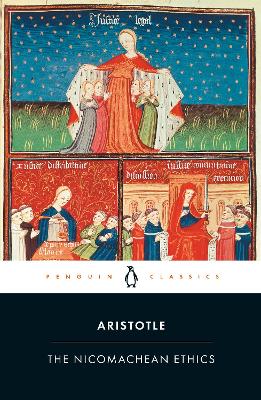
The Nicomachean Ethics
Aristotole's examination of the nature of happiness In the Nicomachean Ethics, Aristotle sets out to examine the nature of happiness. He argues that happiness consists in 'activity of the soul in accordance with virtue', for example with moral virtues, such as courage, generosity and justice, and intellectual virtues, such as knowledge, wisdom and insight. The Ethics also discusses the nature of practical reasoning, the value and the objects of pleasure, the different forms of friendship, and the relationship between individual virtue, society and the State. Aristotle's work has had a profound and lasting influence on all subsequent Western thought about ethical matters.
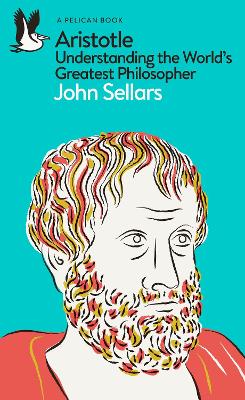
Aristotle was born in 384 BC, and studied in Athens under Plato. His writings were of extraordinary range, and many of them have survived. He died in 323 BC.
The Nicomachean Ethics
Aristotole's examination of the nature of happiness In the Nicomachean Ethics, Aristotle sets out to examine the nature of happiness. He argues that happiness consists in 'activity of the soul in accordance with virtue', for example with moral virtues, such as courage, generosity and justice, and intellectual virtues, such as knowledge, wisdom and insight. The Ethics also discusses the nature of practical reasoning, the value and the objects of pleasure, the different forms of friendship, and the relationship between individual virtue, society and the State. Aristotle's work has had a profound and lasting influence on all subsequent Western thought about ethical matters.
Aristotle was born in 384 BC, and studied in Athens under Plato. His writings were of extraordinary range, and many of them have survived. He died in 323 BC.
Product Information
Product Information
Shipping & Returns
Shipping & Returns
Description
Aristotole's examination of the nature of happiness In the Nicomachean Ethics, Aristotle sets out to examine the nature of happiness. He argues that happiness consists in 'activity of the soul in accordance with virtue', for example with moral virtues, such as courage, generosity and justice, and intellectual virtues, such as knowledge, wisdom and insight. The Ethics also discusses the nature of practical reasoning, the value and the objects of pleasure, the different forms of friendship, and the relationship between individual virtue, society and the State. Aristotle's work has had a profound and lasting influence on all subsequent Western thought about ethical matters.
Aristotle was born in 384 BC, and studied in Athens under Plato. His writings were of extraordinary range, and many of them have survived. He died in 323 BC.